Concrete Driveway and Paver Removal Cost in South Florida (2026): Miami-Dade, Broward and Palm Beach Pricing Guide
A cracked, sunken, or discolored concrete driveway is one of those problems that's easy to ignore until it isn't: a trip hazard near the front door, standing water after every afternoon storm, or an HOA letter asking why the slab out front looks the way it does. Across Miami-Dade, Broward, and Palm Beach, more homeowners are looking into removal (not just resurfacing) because South Florida's climate is hard on concrete and pavers in ways most of the country never deals with.
The trouble is finding a straight answer on what it actually costs. Search "driveway removal cost" or "concrete removal cost" and you'll land on national price guides that quote a country-wide average and call it a day. None of them mention what a Miami-Dade limestone shelf, a Fort Lauderdale water table, or a Palm Beach County HOA review means for your specific project. Here's a real, South Florida-specific breakdown.
Concrete, Pavers, or Asphalt: Removal Isn't One Price
What your driveway or patio is made of changes both the equipment needed and the cost.
Poured Concrete
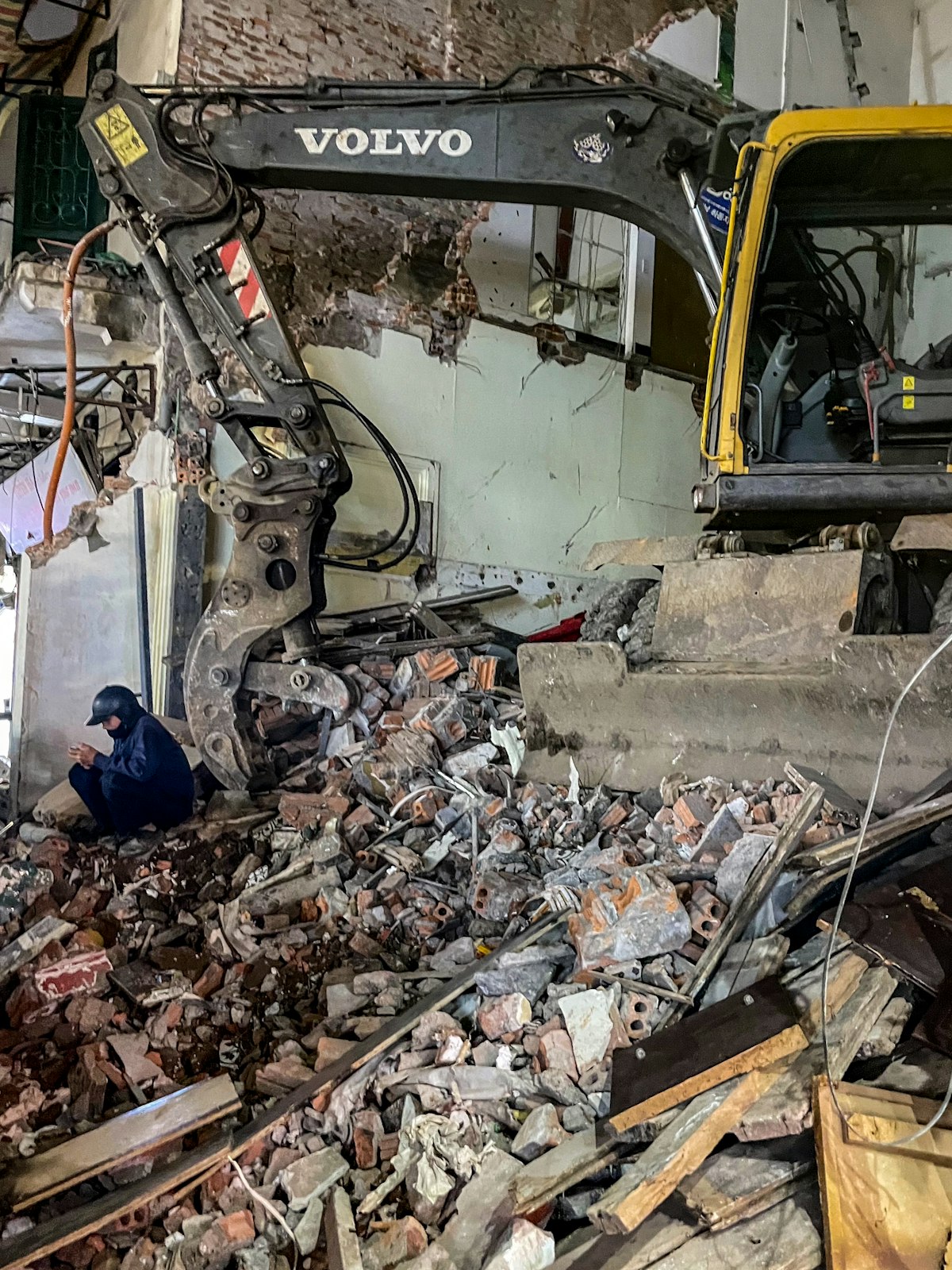
Solid slabs need to be broken up with a hydraulic hammer or jackhammer attachment before the pieces can be loaded out. Reinforced slabs (with rebar or wire mesh, common in driveways poured to hold up SUVs and boat trailers) take longer to break and haul.
Pavers
Interlocking pavers are usually faster to remove since they can be pried up piece by piece rather than broken, but the sand or gravel base underneath still needs to come out if you're regrading or repouring. Many South Florida communities use decorative pavers for driveways and pool decks, so this is a common removal type on its own.
Asphalt
Less common on South Florida driveways than concrete or pavers, but it shows up on longer commercial and estate driveways. Asphalt breaks up more easily than concrete but is heavier to haul per square foot.
2026 Concrete & Paver Removal Costs in South Florida
Generic national guides quote a flat range like "$1 to $7 per square foot" and leave it there. For concrete and paver removal around a South Florida home (driveways, walkways, patios, and pool decks), typical pricing runs about $4-$6 per square foot, with the exact number depending on slab thickness, reinforcement, and how easily equipment can access the area.
| Area to Remove | Typical Cost (South Florida, 2026) |
|---|---|
| Up to 500 sq ft (walkway or small pad) | $2,000-$3,000 |
| 500-1,000 sq ft (single-car driveway) | $3,000-$4,500 |
| 1,000-2,000 sq ft (two-car driveway or patio) | $6,000-$9,000 |
| 2,000-3,500 sq ft (long driveway or pool deck) | $11,000-$16,500 |
| Over 3,500 sq ft (estate driveway or large courtyard) | $16,000-$24,000+ |
Ranges reflect area, slab thickness, reinforcement, and truck access. A driveway that a mini excavator can reach directly from the street costs less to clear than one behind a gate with a narrow side-yard path. If you're also removing a wall or block structure at the same time, that's priced separately (concrete and block wall demo typically runs $80-$95 per linear foot).
Why South Florida Concrete Breaks Down Differently
The Limestone Shelf Under Your Yard
Much of Miami-Dade sits on a shallow limestone shelf, often just a foot or two below grade. That's part of why older concrete driveways in the area crack and heave unevenly: the base underneath isn't uniform soil, it's rock close to the surface. When it comes time to remove and replace, that same limestone can also mean equipment needs to work harder to break out anything anchored deep into it.
A High Water Table Under the Slab
In coastal Broward and low-lying parts of Palm Beach County, groundwater sits close enough to the surface that water can collect underneath a cracked slab instead of draining away. That trapped water is a common reason driveways heave, settle unevenly, or grow algae and mold along the seams, and it's also why a proper regrade after removal (not just a fresh pour on top of the old problem) matters more here than in drier climates.
Rainy Season and Hurricane Timing
South Florida's wet season (roughly June through October) is the worst stretch to schedule removal and repour work. Saturated soil compacts poorly, which sets up the new surface for the same heaving and cracking problems down the road. If your driveway is already a hazard (a lifted slab, a trip point, or storm-damaged pavers), it's worth scheduling removal in the dry season, or as soon as possible if hurricane season has already left visible damage.
Permits: What Miami-Dade, Broward & Palm Beach Actually Require
Whether a driveway or paver removal needs a standalone permit depends on your municipality and on whether the work touches the public right-of-way (the section of driveway between the sidewalk and the street, which several South Florida cities regulate separately from the rest of the property). In practice:
- Right-of-way work almost always needs sign-off from the county or city public works department, since that section of concrete technically sits on public land even though homeowners maintain it.
- A licensed contractor should confirm requirements before work starts, since permit rules differ from one municipality to the next within the same county, and skipping a required permit can complicate things at resale.
- HOA approval is a separate step from any government permit. Many planned communities across South Florida have specific rules about approved paver colors, patterns, and driveway widths, so it's worth checking your community's architectural guidelines before removal, not after the new surface is poured.
This is exactly the kind of local detail that national driveway-removal guides skip, since they aren't pulling permits or filing HOA paperwork in your specific city.
What Happens to the Old Concrete and Pavers
Broken-out concrete and pavers are hauled off-site and, where possible, taken to a facility for crushing and recycling into aggregate rather than sent straight to a landfill. That's the same debris-handling approach used across our demolition and junk removal services in Miami-Dade, Broward, and Palm Beach.
Frequently Asked Questions
Do I need a permit to remove a driveway or patio?
It depends on your city and whether the work extends into the public right-of-way. A licensed contractor can confirm what applies to your address before work starts, which is part of what you're paying for when you hire a permitted crew instead of an unlicensed one.
Can I just leave gravel or dirt instead of repouring?
In some cases, yes, though many South Florida municipalities and HOAs require driveways to be paved, and an exposed dirt area can create drainage and erosion problems during heavy rain. If you're not repouring right away, ask about temporary grading and drainage so the area doesn't turn into a mud pit during the wet season.
How long does removal take?
Most residential driveway or patio removals take one day, sometimes two for larger reinforced slabs or difficult access. Any required permit approval typically adds more time up front than the physical demolition itself.
Is removing pavers cheaper than removing poured concrete?
Pavers are often somewhat faster to pull up since they aren't broken apart first, but the base material underneath still has to come out, so total cost is usually closer than people expect. Slab thickness, reinforcement, and access end up mattering more than the surface material alone.
What if my driveway cracked after a storm?
Storm-related heaving and cracking is common after a wet hurricane season, especially where water table or drainage issues already existed. If the damage is a trip hazard or is affecting your home's drainage, it's worth having it assessed sooner rather than later, since a small crack that lets water underneath tends to get worse, not better, over another rainy season.
Get an Exact Number for Your Driveway or Patio
Cost guides can only give you a range. The base under your specific driveway, the reinforcement in your slab, and how a truck can reach your property all move the number. Demo & Build Solutions handles concrete and paver removal, permitting, and debris hauling across Miami-Dade, Broward, and Palm Beach as part of our demolition services.
Use our free quote calculator for an instant estimate, check our FAQ page for more answers, or contact us for a same-day quote. You can also call us directly at 1(877) 773-3665. We answer the phone.