
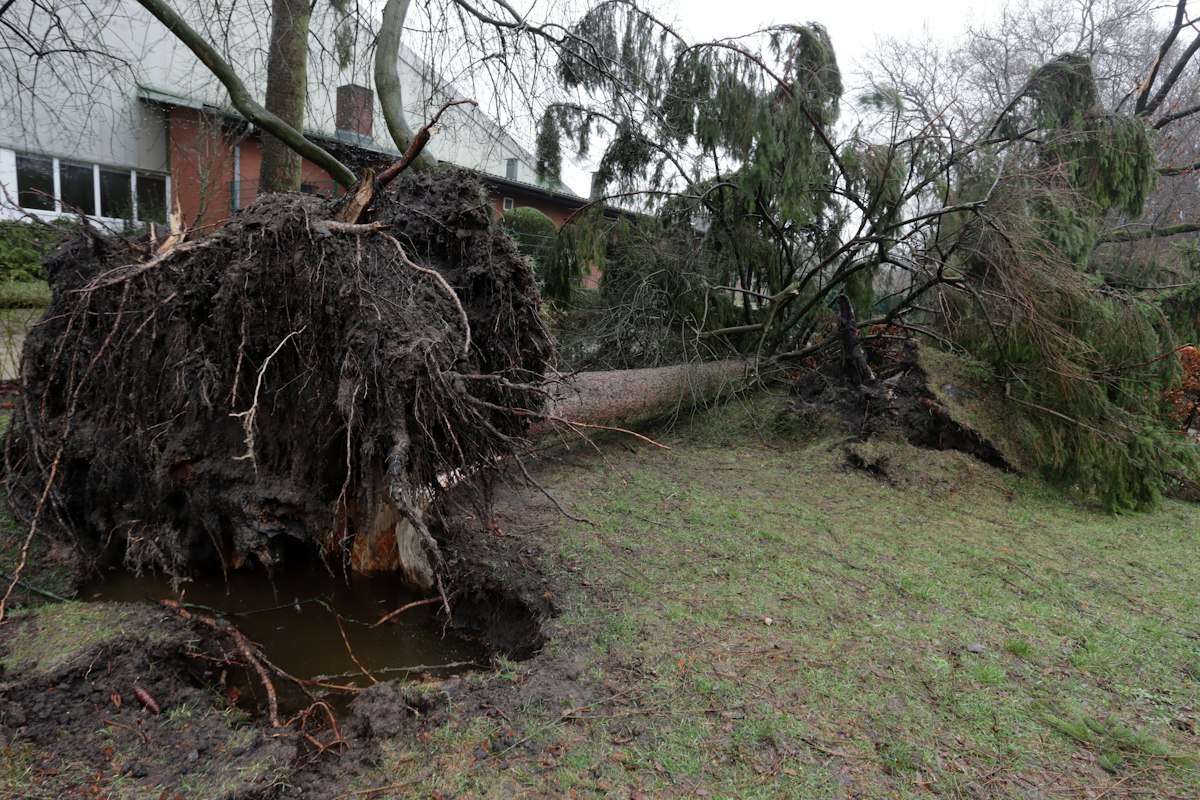
Hurricane & Storm Debris Removal in South Florida: What Homeowners Actually Need to Know (2026)
Hurricane season in South Florida runs from June through November, and by late August we're squarely inside the busiest stretch of it. Every year, the same misunderstanding causes headaches for homeowners across Miami-Dade, Broward, and Palm Beach counties: the assumption that once a storm passes, "the county will pick it up." That's only true for part of what ends up in your yard.
Curbside storm debris programs exist, and they do real work. But they cover a narrower slice of the mess than most people expect, and the gap between what gets picked up and what doesn't is exactly where homeowners get stuck, often for weeks, with a yard or property they can't use.
Who's Actually Responsible for Storm Debris on Your Property?
Here's the part most generic cleanup guides skip entirely: property owners are responsible for removing debris from their own land. That's not a South Florida quirk, it's the standing guidance from the Florida Department of Environmental Protection on hurricane debris cleanup statewide. Public agencies focus on public property and public rights-of-way (the street, the swale, the sidewalk); what happens on your lot is on you.
In practice, that split looks like this:
- Usually covered by county or municipal collection: vegetative debris (tree limbs, branches, leaves, small brush) that residents have already dragged to the curb or right-of-way after a storm, collected in scheduled passes.
- Usually NOT covered, and your responsibility: anything still sitting in the yard, leaning against the house, or attached to a structure; damaged sheds, fences, carports, or pergolas; a collapsed pool screen enclosure; downed trees that haven't been cut and moved yet; and almost all construction or demolition debris (roofing material, siding, fencing, drywall from flood-damaged interiors).
That second list is where a demolition and junk removal crew, not a curbside truck, is what actually clears your property.
What Miami-Dade, Broward & Palm Beach Curbside Programs Actually Cover
Each county and many individual municipalities run their own storm debris collection schedule, and the specifics (how many passes, what qualifies, how debris needs to be separated and staged) are announced after each declared storm event rather than fixed year-round. A few things hold true across all three counties, though:
Vegetative debris is the priority
Collection passes are built around tree and landscape debris placed at the curb, separated from other trash. Household garbage, construction materials, and appliances typically need to be bagged, bundled, or hauled separately, not mixed into the vegetative pile.
Construction and demolition debris usually needs its own trip
Damaged fencing, broken roofing tiles, storm-shattered screen panels, and drywall pulled out after flooding fall into a different category than tree limbs, and most curbside vegetative debris passes explicitly exclude it. If your storm damage includes a structure (not just landscaping), plan on that being a separate removal, whether that's a licensed hauler or, for anything requiring teardown, a licensed demolition contractor.
Schedules move fast and change per storm
Because collection passes are triggered by the storm itself, not a fixed calendar, the only reliable way to know your pickup window is to check your county's or city's active announcement after an event. That's also why waiting on a curbside pass for anything that isn't loose tree debris usually costs you more time than just hiring it out.
What Storm Debris Removal Actually Costs in South Florida (2026)
Most competitor guides on this topic stop at "fees will apply, prices are varied" and send you to call for a quote with zero starting reference point. Here's an honest starting range, pulled from our own online estimator, so you're not going in blind:
| Job Type | Typical Starting Range |
|---|---|
| Single truckload of storm debris or damaged items | $149-$249 |
| Multiple truckloads (fallen branches, fencing, damaged furniture) | $299-$699 |
| Full dump truck load (large tree debris, whole-yard cleanup) | $950-$1,200 |
| General debris removal by volume (small to large jobs) | $200-$6,000 |
| Emergency service (urgent storm damage teardown) | $500-$15,000+ |
These are general starting points, not a quote. The real number depends on debris volume, whether it's vegetative or construction/demolition material, truck access to your property, and how urgent the timeline is. A same-day quote will always be more accurate than any published range, ours included.
FEMA and Insurance: What They Will and Won't Pay For
This is the point where a lot of homeowners assume more coverage exists than actually does. According to Florida DEP guidance, FEMA debris removal funding is aimed at debris on public property or in the public right-of-way that poses an immediate threat to public health and safety, funneled through local government, not paid directly to individual homeowners for their own yards.
For debris and damage on your own property, homeowners insurance (not FEMA) is generally the relevant coverage, and even then it depends on your specific policy and the cause of loss. Before you touch anything: photograph the damage from multiple angles, keep any receipts for emergency tarping or temporary repairs, and contact your insurance agent before large-scale cleanup begins so nothing gets removed that your claim would have needed documented.
Permits for Storm-Damaged Structures
If your storm damage goes beyond loose debris, a collapsed shed, a partially destroyed carport, a screen enclosure that needs to come down entirely, that's structural demolition, and it follows the same permitting rules as any planned demolition project in Miami-Dade, Broward, or Palm Beach. A licensed contractor pulls the permit, not the homeowner, and in most cases a final inspection is required before the county considers the structure properly removed from your property record. Skipping this step on storm-damaged structures causes the same resale and title headaches as skipping it on a planned renovation.
Getting Ready Before the Next Storm
A few things make post-storm cleanup faster and cheaper every time, whether this is your first South Florida hurricane season or your fifteenth:
- Photograph your property before storm season, especially any sheds, fencing, screen enclosures, or landscaping you'd need to document for an insurance claim later.
- Know your municipality's debris rules in advance so you're not searching for pickup schedules in the middle of a power outage.
- Have a contractor relationship in place before you need one. The week after a major storm is the worst time to be calling around for quotes; response times get longer and availability gets tighter the more damage there is across the region.
Frequently Asked Questions
Will the county remove the tree that fell in my backyard?
Only after it's been cut up and moved to the curb or right-of-way, and even then, only during that county or city's active post-storm collection window. A tree still lying in the yard, or leaning on your house, is not covered by curbside pickup and needs to be removed separately.
What's the difference between vegetative debris and construction/demolition debris?
Vegetative debris is tree limbs, branches, leaves, and plant material. Construction and demolition debris includes damaged fencing, roofing material, drywall, screen enclosure panels, and anything from a damaged structure. Most curbside storm collection passes are built for the first category and exclude or limit the second.
Does my homeowners insurance cover storm debris removal?
It depends on your specific policy, but debris removal on private property generally falls under homeowners insurance rather than FEMA, which is focused on public property. Check your policy's debris removal clause and talk to your agent before starting large cleanup work.
Do I need a permit to remove a storm-damaged shed or screen enclosure?
If the structure needs to be demolished and removed rather than repaired, yes. It follows the same demolition permit process as any other structural teardown in Miami-Dade, Broward, or Palm Beach, and a licensed contractor handles the permit.
How fast can Demo & Build Solutions respond after a storm?
We offer emergency service specifically for storm damage and urgent teardown needs, separate from our standard scheduling. Call to check current availability, since response times naturally tighten when a storm affects the whole region at once.
What should I do first if my property has storm damage right now?
Document everything with photos before anything is moved or removed, contact your insurance company, and then reach out for a same-day assessment so debris that isn't safe to leave in place (downed trees, unstable structures) gets handled quickly.
Get Storm Debris Off Your Property, Not Just Off the Curb
County and city crews handle what's in the right-of-way. Everything else, the downed tree still in your yard, the collapsed fence, the screen enclosure that needs to come down, is where Demo & Build Solutions comes in. We handle storm debris removal, emergency teardown, and structural demolition across Miami-Dade, Broward, and Palm Beach as part of our demolition and junk removal services.
Use our free quote calculator for an instant estimate, or contact us for a same-day quote. You can also call us directly at 1(877) 773-3665. We answer the phone.